

Summer has a way of changing how we think about our bodies.
As temperatures rise, the gyms become busier, fitness challenges appear across social media, and conversations about getting a “summer body” begin.
You might find yourself planning morning runs, promising to exercise more often or searching for the fastest workout to improve your appearance before the holidays.
But there is a question that rarely receives the same attention.
Are you actually taking care of your body while preparing it for summer?
You could be exercising five days a week, drinking too little water, sleeping poorly and pushing through exhaustion because you believe that harder workouts automatically lead to better results.
However, looking after your body during summer involves much more than physical appearance.
It means building strength, supporting cardiovascular health, managing the effects of heat, maintaining proper hydration and giving your body enough time to recover.
And sometimes, the workout that benefits you most is not the one that leaves you completely exhausted.
1. Why Summer Changes the Way Your Body Responds to Exercise
Imagine going for your usual afternoon run.
You have completed the same route several times during winter without much difficulty.
But now the temperature is considerably higher.
Within minutes, you begin sweating heavily. Your breathing feels more demanding, your heart beats faster and the distance seems longer than you remember.
You might assume that you have suddenly become less fit.
However, the surrounding temperature may be contributing to the difference.
When you exercise, your muscles generate heat. Your body responds by increasing blood flow towards the skin and producing sweat to help regulate its internal temperature.
During hot weather, these cooling processes face additional demands.
High humidity can make cooling more difficult because sweat does not evaporate as efficiently.
This means that an ordinary workout may place greater strain on your body when temperatures rise.
The lesson is simple: your summer exercise routine should respond to the weather, not ignore it.
2. The Summer Body Mistake: Exercising Harder Instead of Smarter
Many people associate a successful workout with three things: heavy sweating, muscle soreness and exhaustion.
If you leave the gym feeling completely drained, it can seem as though you have achieved more than someone who completed a shorter session.
But these sensations do not necessarily measure how effective your workout was.
Sweating is primarily a cooling mechanism. Muscle soreness can occur after unfamiliar or demanding activity, but it is not essential for progress.
The more useful questions are whether your exercise routine is improving your strength, fitness and ability to perform everyday activities.
Can you climb stairs more comfortably?
Are you gradually becoming stronger?
Can you walk further without becoming unusually tired?
Are you recovering well enough to exercise consistently?
These improvements matter because physical fitness is about what your body can do, not simply how it looks.
Instead of trying to make every workout harder, focus on making your routine more balanced.
3. Strength Training: The Summer Workout Worth Prioritising
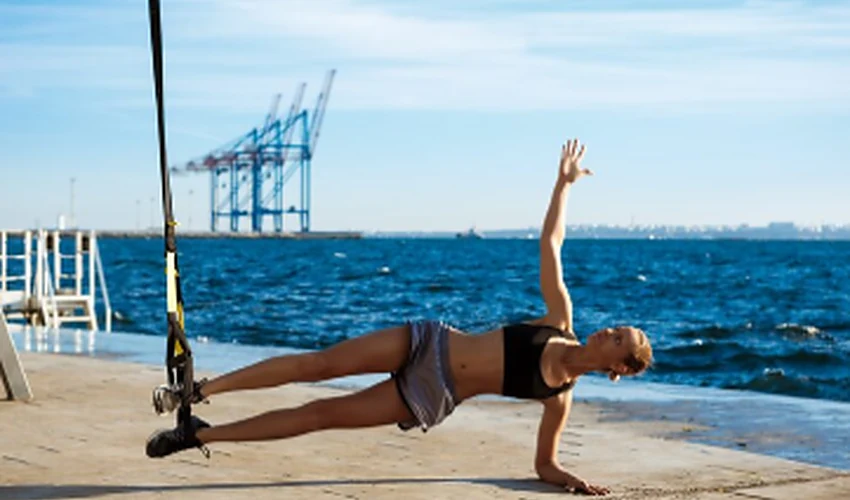
When people want to prepare their bodies for summer, cardiovascular exercise is often their first choice.
Running, cycling and skipping can all contribute to cardiovascular fitness.
However, strength training deserves equal consideration.
Resistance exercises help strengthen muscles, support physical function and make everyday activities easier.
You do not need complicated equipment to begin.
Bodyweight squats, modified push-ups, resistance-band rows and controlled hip exercises can provide a practical starting point.
For example, a beginner-friendly strength session might include:
- Bodyweight squats: 2 sets of 10 repetitions
- Wall or incline push-ups: 2 sets of 8 repetitions
- Resistance-band rows: 2 sets of 10 repetitions
- Glute bridges: 2 sets of 12 repetitions
- Modified plank: 2 rounds of 20 seconds
Rest between sets and adjust the exercises according to your ability.
The World Health Organization recommends that adults include muscle-strengthening activities involving major muscle groups on at least two days each week.
The goal is not to lift the heaviest weight possible.
It is to develop strength gradually through exercises you can perform safely and consistently.
4. Why Walking Could Be Your Most Underrated Summer Exercise
Walking rarely receives the same attention as high-intensity workouts.
It does not require expensive equipment or a complicated routine.
Yet it can be an effective way to improve cardiovascular fitness and increase daily physical activity.
A brisk morning walk can also be more manageable than a demanding outdoor workout during the hotter parts of the day.
You could walk around your neighbourhood, visit a nearby park or include additional walking in your daily routine.
If you are beginning a fitness programme, start with a duration that feels manageable.
Ten or fifteen minutes may be enough initially.
Gradually increase your walking time as your fitness improves.
For general health, adults are encouraged to work towards 150–300 minutes of moderate-intensity aerobic activity per week, or an equivalent amount of vigorous activity.
However, these recommendations are goals to build towards rather than reasons to avoid starting.
A consistent walking routine may benefit your health more than an extreme fitness challenge you abandon after one week.
5. Hydration: Are You Drinking Enough to Support Your Workouts?
You finish a workout feeling thirsty.
You drink a glass of water, get dressed and continue with your day.
But what if the amount you drank was not enough to replace the fluid you lost?
During exercise, your body loses water through sweating.
Hot weather can increase these losses, particularly when physical activity continues for extended periods.
Dehydration may contribute to headaches, dizziness, tiredness and reduced physical performance.
One practical habit is to make drinking water part of your routine before, during and after exercise.
Keep a bottle nearby and take regular opportunities to drink.
Your needs will vary depending on your body, the weather, your activity level and how heavily you sweat.
For longer or particularly demanding workouts, replacing lost electrolytes may also be necessary.
However, drinking excessive amounts of water is not safer, and people with medical conditions that require fluid restrictions should follow their healthcare professional’s guidance.
Hydration should support exercise, not become another extreme challenge.
6. Why Your Workout Time Matters More During Summer

An afternoon workout may fit perfectly into your schedule.
But during a South African summer, the timing can influence how comfortably and safely you exercise.
Outdoor temperatures can become particularly demanding during the middle of the day.
Direct sunlight, high humidity and prolonged exertion may increase your risk of heat-related illness.
Where possible, consider exercising earlier in the morning or during cooler evening conditions.
This does not mean that every early morning or evening session is automatically safe.
Heatwaves can keep temperatures elevated even after sunset.
Always consider local weather conditions.
If temperatures are dangerously high, moving your workout to a properly cooled indoor environment may be the better choice.
You can also reduce intensity, shorten your session or postpone strenuous activity.
Changing your workout because of extreme heat is not a failure of discipline. It is a sensible health decision.
7. Are You Confusing Weight Loss With Better Health?
Summer fitness conversations often focus heavily on losing weight.
The assumption is that a smaller number on the scale automatically means a healthier body.
However, body weight alone cannot tell you how strong you are, how efficiently your heart and lungs work or whether you are recovering adequately.
Someone may become stronger and improve their cardiovascular fitness without experiencing dramatic changes in weight.
Similarly, rapid weight loss does not necessarily indicate that a person is becoming healthier.
Extreme diets and excessive exercise can make it difficult to maintain energy levels or support recovery.
If changing body composition is part of your goal, focus on realistic habits rather than short-term restrictions.
Regular activity, adequate nutrition, sufficient sleep and consistent routines all contribute to overall well-being.
You also cannot choose exactly where your body loses fat by exercising one particular area.
Doing hundreds of abdominal exercises, for example, does not guarantee targeted fat loss around your stomach.
Your health deserves a broader measure of progress.
8. The Importance of Eating Properly During Summer
When the weather becomes hotter, your appetite and meal preferences may change.
You might prefer lighter meals, fresh fruit or foods that require less preparation.
These choices can form part of a healthy eating pattern.
However, exercise increases your body’s need for appropriate nutrition.
Carbohydrates provide an important source of energy for physical activity, while protein supports muscle maintenance and repair.
Fruits and vegetables provide vitamins, minerals and fibre.
Rather than eliminating entire food groups to achieve a particular appearance, aim for balanced meals that support your activity level and health needs.
For example, a meal containing whole grains, vegetables and a source of protein may help provide sustained nourishment.
Fruit and other water-rich foods can also contribute to overall fluid intake, although they do not replace the need for appropriate hydration.
You do not need an expensive collection of powders, supplements or specialised fitness products to begin looking after your body.
A practical, balanced eating routine is a better starting point.

9. The One Part of Summer Fitness People Forget: Recovery
Imagine completing a demanding workout on Monday.
On Tuesday, your muscles feel uncomfortable, but you train again because your fitness challenge does not allow rest days.
By Thursday, you feel exhausted.
By the weekend, you are struggling to maintain your routine.
This is where recovery becomes important.
Exercise challenges your muscles and cardiovascular system. Recovery allows your body time to adapt to that challenge.
Adequate sleep, nutritious meals, hydration and appropriate breaks between demanding sessions all contribute to this process.
Rest does not necessarily mean remaining completely inactive.
Gentle walking or comfortable mobility exercises may be suitable on easier days.
However, persistent pain, unusual fatigue or worsening exercise performance should not simply be ignored.
More exercise is not automatically better when it prevents your body from recovering properly.
A sustainable fitness routine includes enough activity to make progress and enough recovery to support it.
10. How to Recognise When the Summer Heat Is Becoming Dangerous
There is an important difference between feeling challenged during exercise and developing symptoms of heat-related illness.
During hot weather, warning signs may include:
- Dizziness or lightheadedness
- Headaches
- Unusual weakness
- Nausea
- Heavy sweating accompanied by increasing discomfort
- Muscle cramps
- Feeling faint
- Unusual difficulty continuing an activity
These symptoms should not be dismissed as evidence that your workout is effective.
Stop exercising, move to a cooler environment and begin cooling down.
If you are fully alert and able to swallow safely, drinking appropriate fluids may help.
Seek medical assessment if symptoms are severe, persistent or worsening.
Heatstroke is a medical emergency.
Confusion, seizures, collapse or loss of consciousness during heat exposure require immediate emergency assistance and rapid cooling.
A person experiencing heatstroke may still be sweating, so dry skin is not required for the condition to be serious.
Never encourage someone to push through concerning symptoms simply to finish a workout.
11. A Realistic Weekly Summer Workout Plan
You do not need to exercise intensely every day to build a healthier routine.
A balanced introductory schedule could look like this:
| Day | Activity |
|---|---|
| Monday | Full-body strength training, 30 minutes |
| Tuesday | Brisk walking, 20–30 minutes |
| Wednesday | Gentle mobility or recovery |
| Thursday | Full-body strength training, 30 minutes |
| Friday | Brisk walking or comfortable cycling |
| Saturday | Enjoyable activity such as swimming, dancing or a longer walk |
| Sunday | Rest or light movement |
This programme is an example, not a prescription for everyone.
Beginners may need shorter sessions and additional recovery, while experienced exercisers may benefit from more challenging routines.
The key is to increase your activity gradually.
You could begin with two shorter strength sessions and regular walking before adding more exercise.
As your fitness develops, increase duration, resistance or intensity when appropriate.
Choose cooler conditions, take breaks and adjust your routine when the weather becomes uncomfortable or dangerous.
The most effective programme is one that suits your abilities, circumstances and long-term health goals.
12. Summer Fitness Should Make Everyday Life Easier
One of the most meaningful benefits of improving fitness is often overlooked.
It can change how you experience ordinary activities.
Carrying shopping bags may become easier.
You may feel more comfortable walking longer distances.
Climbing stairs may require less effort.
You might have more confidence joining friends for a hike, swimming or participating in recreational activities.
These are practical outcomes that are not always visible in a photograph.
They also provide reasons to continue exercising long after summer ends.
When your motivation depends entirely on achieving a particular appearance, it can disappear once the holiday season passes.
But when exercise helps you feel stronger and move more comfortably, the benefits remain relevant throughout the year.
This is why summer fitness should not be treated as a temporary project.
It can be an opportunity to establish habits that continue supporting your health.
13. The Best Summer Body Is One You Are Looking After
It is understandable to want to feel confident in your appearance during summer.
Perhaps you want to wear certain clothes, enjoy the beach or improve your physical fitness before a holiday.
There is nothing wrong with setting personal goals.
The problem begins when those goals encourage you to ignore what your body needs.
Exercising through extreme heat, skipping meals, avoiding recovery and pushing through warning signs are not requirements for becoming fit.
A healthier approach looks different.
It involves moving regularly, developing strength, supporting cardiovascular fitness, eating adequately, drinking appropriate amounts of water and listening when your body needs rest.
It also means recognising that progress does not happen at the same pace for everyone.
Your age, health, experience and daily responsibilities influence what an appropriate fitness routine looks like.
This summer, instead of asking only how you want your body to look, ask how well you are taking care of it.
Are you becoming stronger?
Are you exercising in conditions that are safe for you?
Are you allowing yourself to recover?
Are the habits you are developing realistic enough to continue when summer ends?
The answers may tell you more about your progress than any transformation photograph.
Because the best summer workout is not the one that leaves you exhausted.
It is the one that helps you become healthier, stronger and better prepared for the activities you enjoy.
Your body does more than carry you through summer. Take care of it so that it can carry you through every season.