
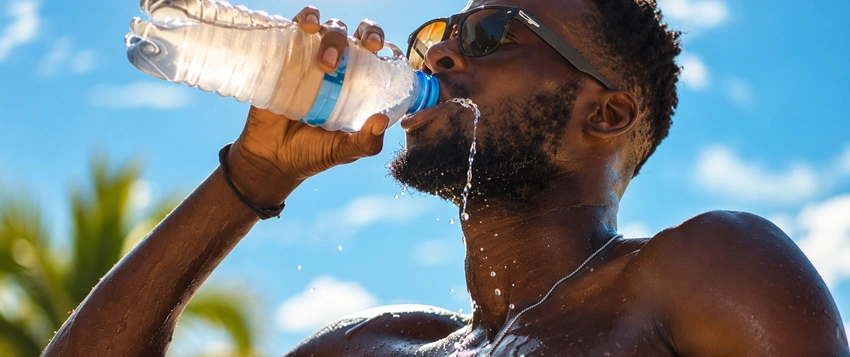
You step outside and immediately feel the heat.
The air feels heavy.
The sun seems stronger than usual.
Even a short walk leaves you sweating, thirsty or uncomfortable.
You might notice that your clothes feel damp, your energy levels are lower or you become tired much sooner than expected.
At first, you may assume that it is simply another hot day.
You drink some water, move into the shade or switch on a fan.
But what happens when the heat does not go away?
What if temperatures remain unusually high for several days, and even the evenings provide little relief?
This is when a heatwave can become more than an inconvenience.
Extreme heat places additional demands on the body, particularly when high temperatures continue for extended periods.
As El Niño conditions strengthen during 2026, concerns about unusually hot weather and changing climate patterns have become increasingly relevant.
El Niño can influence temperatures and rainfall across different parts of the world, although its effects vary by region and not every heatwave is directly caused by it.
Regardless of what is driving the weather, one thing remains important.
Extreme heat can affect your health, sometimes before you realise how seriously your body is struggling.
You may develop dehydration, experience heat exhaustion or, in severe cases, suffer heatstroke.
Heat can also make existing medical conditions more difficult to manage.
Understanding how heatwaves affect your body, recognising the warning signs and knowing what to do when someone becomes unwell can help you protect yourself and those around you.
1. What Is a Heatwave and Why Can It Be Dangerous?
A heatwave is a period of unusually hot weather that lasts for several days, relative to the conditions normally experienced in a particular area.
It is not defined by one temperature everywhere.
A temperature considered unusually high in one region may be normal in another.
Humidity, nighttime temperatures and how long the heat continues can also influence how dangerous the conditions become.
For example, you may tolerate a hot afternoon reasonably well if temperatures drop substantially in the evening.
Your home cools down.
You sleep comfortably.
Your body has an opportunity to recover from the day’s heat.
However, during a prolonged heatwave, temperatures may remain high well into the night.
Rooms can become uncomfortable.
Sleep may be interrupted.
And the body may have fewer opportunities to release accumulated heat.
This matters because the human body needs to maintain its internal temperature within a relatively narrow range.
If the environment becomes too hot, especially when humidity is high, the body’s normal cooling processes may struggle to keep up.
The longer this continues, the greater the possibility of heat-related illness.
Is a Heatwave the Same as an Extremely Hot Day?
Not necessarily.
A single hot day can still be dangerous, particularly for someone exercising outdoors, working in direct sunlight or living with a medical condition.
A heatwave usually refers to a sustained period of unusually high temperatures.
The distinction matters because repeated exposure can make it harder to recover, especially when homes and workplaces remain hot overnight.
It is also possible to develop heat-related illness indoors.
You do not need to be standing in direct sunlight for the heat to become dangerous.
A poorly ventilated room, a hot vehicle or a workplace with high indoor temperatures can also create serious risks.
2. What Does El Niño Have to Do With Heatwaves?
El Niño is a climate pattern associated with unusually warm ocean temperatures in parts of the central and eastern tropical Pacific Ocean.
These changes can influence atmospheric circulation, rainfall and temperatures in different regions of the world.
During some El Niño events, certain areas experience warmer or drier conditions.
Other regions may experience increased rainfall or different weather patterns.
The effects are not identical everywhere.
In Southern Africa, El Niño has historically been associated with an increased likelihood of hotter and drier conditions in some areas and seasons, but local outcomes depend on several climate factors.
This means El Niño should not be treated as a guarantee that every part of South Africa will experience the same conditions.
It also does not mean that every unusually hot day is caused by El Niño.
Long-term climate change, local weather systems, geography and urban development can all influence temperatures.
Why Should People Pay Attention to El Niño During Summer?
El Niño is relevant because seasonal changes in temperature and rainfall can affect how communities prepare for hot weather.
For example, a period of reduced rainfall may contribute to dry conditions and pressure on water supplies.
An unusually hot season can also increase the importance of keeping homes cool, staying hydrated and protecting people who spend long hours outdoors.
However, seasonal climate forecasts describe probabilities, not guaranteed conditions for every day.
The most useful approach is to follow local weather warnings and take precautions whenever temperatures become dangerously high.
3. How Does Your Body Respond to Extreme Heat?
Your body continuously produces heat.
It also absorbs heat from the surrounding environment.
To maintain a stable internal temperature, it needs ways to release excess heat.
One important method is sweating.
When sweat evaporates from your skin, it helps remove heat from your body.
Blood vessels near the skin also widen, allowing more blood to flow towards the surface and release heat.
These processes usually work without you noticing.
However, extremely hot conditions can place greater demands on them.
Your heart may need to work harder to move blood towards your skin.
You may sweat more heavily.
Your body may lose additional water and salts.
You might begin feeling thirsty or tired.
If the heat exposure continues and your body cannot cool itself effectively, symptoms can become more serious.
Why Does Humidity Make Hot Weather Feel Worse?
Humidity refers to the amount of moisture in the air.
When humidity is high, sweat does not evaporate as efficiently.
You may still sweat heavily.
However, the sweat may remain on your skin rather than evaporating quickly enough to cool you.
This is why a humid day can feel more uncomfortable than a dry day at the same temperature.
It also explains why drinking water alone cannot always prevent overheating.
Hydration is important, but your body must also be able to release heat.
Moving somewhere cooler and reducing physical activity may be necessary.
4. Dehydration: One of the Most Common Risks During a Heatwave
Dehydration happens when your body loses more fluid than it takes in.
During hot weather, this can happen because you lose water through sweating.
You may not notice how much fluid you are losing, particularly when you are busy working, travelling or exercising.
For example, imagine spending several hours outside running errands.
You walk between shops.
You wait for transport.
You spend time standing in the sun.
You may not feel particularly thirsty at first.
However, your body can continue losing fluid throughout the afternoon.
By the time you return home, you might have a headache, feel unusually tired or notice that your mouth is dry.
These symptoms may be associated with dehydration.
What Are the Signs of Dehydration?
Possible symptoms include:
- Increased thirst
- Dry mouth
- Headache
- Dizziness
- Unusual tiredness
- Dark yellow urine
- Passing urine less frequently
- Feeling lightheaded when standing
These symptoms do not always mean dehydration is the only problem.
Dizziness and weakness can also occur with heat exhaustion or other medical conditions.
Severe dehydration can be dangerous and may require urgent medical treatment.
Can You Be Dehydrated Even If You Are Not Thirsty?
Yes.
Thirst is a useful signal, but it is not always a reliable early warning for everyone.
Older adults may have a reduced sense of thirst.
Children may become distracted while playing.
People working outside may delay drinking because they are busy.
A practical habit is to drink water regularly throughout hot days rather than waiting until you feel extremely thirsty.
People who have been advised to restrict fluid intake because of heart, kidney or other medical conditions should follow their healthcare professional’s guidance rather than drinking excessive amounts.
5. What Is Heat Exhaustion?
Heat exhaustion occurs when the body becomes overwhelmed by heat, often alongside excessive loss of water and salts through sweating.
It can develop gradually.
You may initially feel tired.
Then you might experience a headache, dizziness or nausea.
You may notice that you are sweating heavily despite feeling increasingly weak.
For example, someone working outdoors may begin the morning feeling comfortable.
As temperatures rise, they continue working without taking sufficient breaks.
After several hours, they develop a headache.
Their clothes become soaked with sweat.
They feel unusually weak when standing.
Eventually, they may struggle to continue working.
These symptoms should not be dismissed as ordinary tiredness.
What Are the Warning Signs of Heat Exhaustion?
Common symptoms include:
- Heavy sweating
- Headache
- Dizziness
- Weakness or fatigue
- Nausea
- Increased thirst
- Muscle cramps
- Feeling faint
- Rapid heartbeat
- Reduced urine output
Not everyone experiences every symptom.
The important consideration is whether someone is becoming unwell while exposed to heat.
What Should You Do If Someone Has Heat Exhaustion?
Stop the activity immediately.
Help the person move to a cooler environment.
A shaded area may help, but an air-conditioned room is preferable when available.
Loosen or remove unnecessary clothing.
Use cool water, damp towels or other safe cooling methods.
If the person is fully awake, can swallow normally and is not vomiting, encourage small, frequent sips of cool water or an appropriate rehydration drink.
Do not allow them to return immediately to strenuous activity.
Heat exhaustion can worsen.
If symptoms are severe, continue to progress or fail to improve promptly, seek medical assessment.
Confusion, collapse, seizures or loss of consciousness are emergency warning signs.
6. Heatstroke: When Extreme Heat Becomes a Medical Emergency
Heatstroke is the most serious form of heat-related illness.
It occurs when the body’s temperature regulation is severely impaired and internal temperature rises dangerously.
The condition can damage the brain and other vital organs.
Without prompt treatment, it can cause permanent disability or death.
Heatstroke may develop after prolonged exposure to extreme heat.
It can also occur during intense physical activity, particularly in hot or humid conditions.
Unlike ordinary tiredness, heatstroke is not something that should be managed by simply going home to rest.
Heatstroke requires immediate emergency medical attention and rapid cooling.
What Are the Warning Signs of Heatstroke?
Symptoms may include:
- Confusion or unusual behaviour
- Slurred speech
- Loss of coordination
- Collapse or fainting
- Seizures
- Loss of consciousness
- Very high body temperature
- Hot skin
- Rapid heartbeat
- Severe deterioration during heat exposure
A person with heatstroke may have dry skin or may still be sweating heavily.
Do not assume someone is safe simply because they are still sweating.
You also do not need to measure a specific temperature before taking action.
If a person develops confusion, seizures, collapse or altered consciousness while exposed to heat, treat the situation as an emergency.
What Should You Do If Someone Has Heatstroke?
Call emergency medical services immediately.
In South Africa, 112 can be used from a mobile phone to request emergency assistance.
Begin cooling the person while waiting for help.
Move them away from the heat.
Remove unnecessary outer clothing.
Wet the skin with cool water.
Apply cool, wet towels or cloths.
Use fans to assist cooling where appropriate.
If available and safe to do so, cold-water immersion is an effective rapid-cooling method, particularly for exertional heatstroke, but it must not delay emergency assistance or place the person at risk.
Keep monitoring the person’s condition.
Do not leave them alone.
Do not give oral fluids to someone who is confused, unconscious, having seizures or unable to swallow safely.
Do not give paracetamol or aspirin in an attempt to treat heatstroke.
These medicines do not correct dangerous overheating.
7. Why Heatstroke Is Different From Heat Exhaustion
Heat exhaustion and heatstroke are both serious heat-related conditions.
However, they are not the same.
With heat exhaustion, a person may feel weak, dizzy, nauseated or extremely tired.
They may sweat heavily and need immediate cooling, hydration and assessment.
Heatstroke involves a more dangerous failure of temperature regulation and can affect brain function.
Confusion, altered consciousness or seizures are particularly concerning signs.
It is important not to wait for heat exhaustion to progress into heatstroke.
A person who becomes unwell in hot conditions should stop what they are doing and begin cooling down.
If neurological symptoms develop or the condition deteriorates, emergency care is essential.
8. How Extreme Heat Affects Your Heart and Blood Circulation
Your heart plays an important role in keeping your body cool.
During hot weather, blood vessels near the skin widen to help release heat.
Your heart may need to pump more blood to support this process.
Sweating can also reduce fluid levels, which may place additional strain on circulation.
For a healthy person, the body can often adapt to moderate changes in temperature.
However, extreme conditions can become difficult to tolerate.
For someone living with heart disease, the additional demand may be more significant.
Can Heatwaves Make Existing Heart Conditions Worse?
Yes.
Extreme heat can worsen some cardiovascular conditions.
Dehydration may also affect blood pressure and circulation.
People taking certain medicines, including some diuretics, may be more vulnerable to fluid loss.
However, nobody should stop or change prescribed medication without medical advice.
If you have heart disease, discuss heat precautions and medication considerations with your healthcare professional before periods of extreme heat.
Chest pain, severe breathlessness, fainting or other concerning symptoms require urgent medical assessment.
9. Can Heatwaves Affect Your Kidneys?
Your kidneys help regulate fluid and electrolyte balance.
They also remove waste products from the blood.
When you become dehydrated, your kidneys may receive less blood flow.
In severe cases, this can contribute to acute kidney injury.
The risk may be greater when dehydration is prolonged or combined with strenuous physical activity.
For example, an outdoor worker may spend several hours sweating heavily without enough opportunities to drink water.
If they develop significant dehydration or heat illness, their kidneys may be placed under additional stress.
This does not mean every hot day causes kidney damage.
It means serious overheating and dehydration should not be ignored.
What Should People With Kidney Disease Consider?
People with kidney disease may have specific fluid, dietary or medication requirements.
Drinking excessive water may not be appropriate for everyone.
If you have kidney disease, follow your healthcare team’s advice about managing fluid intake during hot weather.
Seek medical attention if you experience significantly reduced urination, marked weakness, confusion or other severe symptoms.
10. Why Heatwaves Can Make You Feel Tired and Unable to Concentrate
Have you ever struggled to concentrate on a very hot afternoon?
You might find yourself reading the same sentence repeatedly.
You may become irritable.
You could feel sleepy even though you have not been physically active.
High temperatures can affect comfort, concentration and the ability to perform demanding tasks.
Poor sleep during hot nights may make these problems more noticeable.
Dehydration can also contribute to headaches and fatigue.
For someone working in a hot office or classroom, these effects may make ordinary activities feel more difficult.
Can Heat Affect Your Mood?
Hot weather can influence comfort, irritability and emotional wellbeing.
For example, a person who sleeps poorly during several hot nights may feel more impatient or tired during the day.
Someone working in an uncomfortable environment may find it harder to remain focused.
However, mood changes have many possible causes.
Extreme heat should not automatically be blamed for every emotional or behavioural symptom.
Sudden confusion, unusual behaviour or significant changes in consciousness during heat exposure require urgent medical attention.
11. Who Is Most Vulnerable During a Heatwave?
Anyone can develop heat-related illness.
You do not need to have an existing medical condition.
A healthy young adult can develop heatstroke while exercising or working in extreme heat.
However, some people face greater risks.
Older Adults
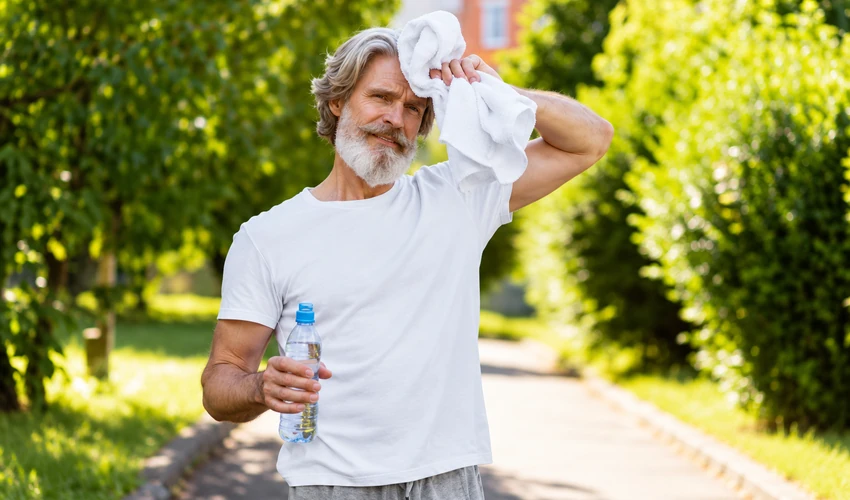
Older adults may have a reduced ability to regulate body temperature.
They may also have chronic medical conditions or take medicines that affect hydration and heat tolerance.
Some may not recognise thirst as readily as younger adults.
Living alone can increase the danger if early symptoms go unnoticed.
Babies and Young Children
Young children depend on adults to keep them hydrated and protected from extreme heat.
They may not recognise or communicate symptoms clearly.
Children can also become overheated during outdoor play, travel or time spent in hot rooms.
Pregnant Women
Pregnancy can make heat exposure more physically demanding.
Dehydration and overheating may pose additional health risks.
Pregnant women should take extra precautions during hot weather and seek medical advice if they become unwell.
People With Chronic Medical Conditions
People living with heart disease, diabetes, kidney disease or respiratory conditions may be more vulnerable to the effects of extreme heat.
Some medications can also affect hydration, sweating or temperature regulation.
Outdoor Workers
Construction workers, gardeners, agricultural workers, delivery staff and others who spend long periods outdoors may experience significant heat exposure.
Physical exertion increases the amount of heat produced by the body.
This can make demanding work dangerous during extremely hot conditions.
Athletes and People Exercising Outdoors
Running, cycling, football and other demanding activities can increase internal heat production.
Even physically fit people can develop serious heat illness.
Fitness does not provide complete protection against heatstroke.
12. Why Children Should Never Be Left in Parked Cars
A parked vehicle can become dangerously hot within a short period.
This can happen even when the outside temperature does not seem extreme.
Sunlight heats the interior surfaces, and the temperature inside the vehicle can rise rapidly.
Opening a window slightly does not make a parked vehicle safe.
A child may become seriously overheated before an adult returns.
Never leave a baby, child or dependent person unattended in a parked vehicle, even for a few minutes.
The same precaution applies to pets.
If you discover a child or vulnerable person trapped in a hot vehicle and they appear unwell, call emergency services immediately.
13. How to Protect Yourself During a Heatwave
Preventing heat-related illness is not simply about drinking more water.
Several practical measures work together to reduce the risk.
Drink Water Regularly
Keep water accessible during the day.
Drink regularly, particularly when spending time outdoors.
You may need additional fluids when sweating heavily.
However, avoid forcing excessive amounts of water.
People with medical conditions requiring fluid restrictions should follow individual medical advice.
Reduce Physical Activity During the Hottest Hours
Where possible, schedule demanding outdoor activities for cooler parts of the day.
Early morning or later evening may be more comfortable.
However, always consider actual weather conditions.
If temperatures remain dangerously high, postponing strenuous activity may be safer.
Wear Lightweight Clothing
Loose-fitting, breathable clothing can help your body release heat.
Light-coloured clothing may also reduce some heat absorption from direct sunlight.
Choose clothing appropriate for the activity and environment.
Seek Shade and Cooler Environments
Shade can reduce exposure to direct sunlight.
However, shade alone may not be sufficient during severe heat.
Air-conditioned environments or designated cooling spaces can provide more effective relief when available.
Use Cool Water to Reduce Body Heat
A cool shower or bath may improve comfort.
Wet towels or a damp cloth can also help.
When someone is becoming overheated, physical cooling is important.
Pay Attention to Heat Warnings
Follow official weather alerts in your area.
A heat warning is an opportunity to make adjustments before conditions become dangerous.
Do not wait until you are feeling unwell to take precautions.
14. How Can You Keep Your Home Cool During a Heatwave?
Many people assume that remaining indoors automatically protects them from extreme heat.
However, indoor temperatures can also become dangerously high.
This is particularly relevant in homes with poor insulation, limited ventilation or direct sunlight through large windows.
Block Direct Sunlight
Curtains, blinds or shutters can help reduce heat entering through windows.
Closing them during the hottest parts of the day may keep indoor spaces more comfortable.
Use Cooler Night Air When Appropriate
If the outside temperature becomes lower than the indoor temperature, opening windows may help release accumulated heat.
However, keeping windows open during extremely hot outdoor conditions may make the room warmer.
Reduce Indoor Heat Sources
Appliances, ovens and certain electronic devices produce heat.
Where practical, reduce unnecessary heat-generating activities during the hottest hours.
Use Fans Carefully
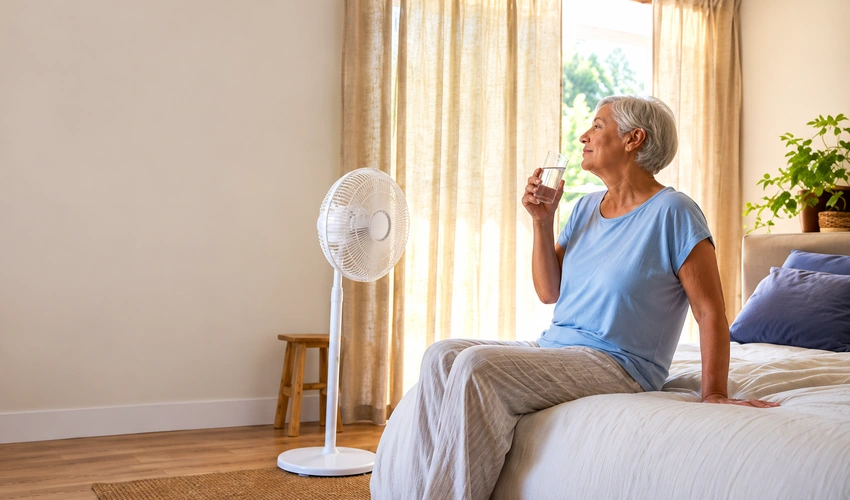
Fans can improve comfort by increasing air movement.
However, fans alone are not always sufficient during extreme heat.
In very hot indoor conditions, especially above about 40°C, fans can become ineffective or potentially increase heat stress.
A fan should not be treated as a substitute for effective cooling when temperatures are dangerously high.
Find a Cooler Location When Necessary
If your home remains extremely hot, consider spending time in a cooler public or indoor environment where this is safe and accessible.
This may be particularly important for older adults, young children and people with chronic health conditions.
15. Can You Get Heatstroke While Sleeping?
Severe heat exposure can occur indoors, including overnight.
A hot bedroom may make it difficult for the body to cool down and recover from the day’s heat.
This does not mean everyone sleeping in a warm room will develop heatstroke.
However, prolonged exposure to very high indoor temperatures can be dangerous, particularly for vulnerable individuals.
Why Are Hot Nights a Concern?
During cooler nights, the body and surrounding environment have an opportunity to release accumulated heat.
When nighttime temperatures remain high, this relief is reduced.
Sleep may also become fragmented.
You might wake frequently, sweat heavily or struggle to feel comfortable.
Several nights of poor sleep can contribute to daytime fatigue and reduced concentration.
To improve comfort, use lightweight bedding, ventilate when outdoor air is cooler and sleep in the coolest available room.
If the indoor environment becomes dangerously hot, moving to a cooler location may be necessary.
16. How to Protect Outdoor Workers From Heatstroke
Outdoor work can become especially demanding during a heatwave.
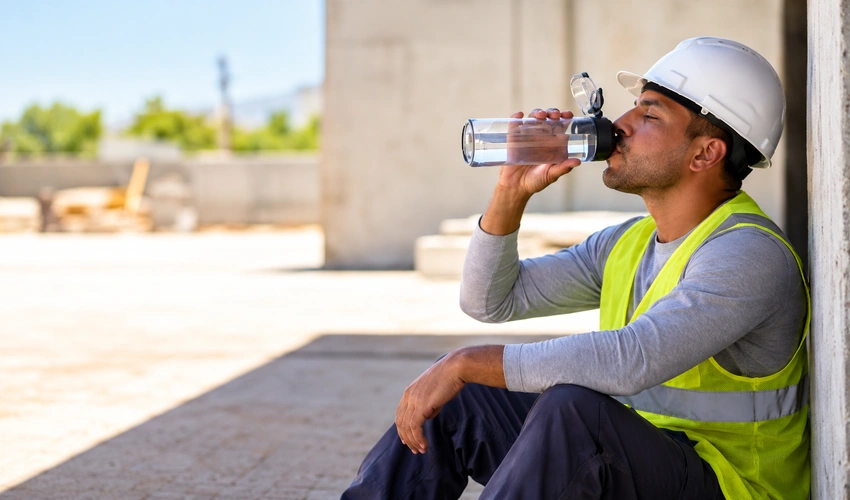
The combination of physical activity, direct sunlight and high temperatures increases heat exposure.
For example, a construction worker may spend several hours carrying materials, moving equipment and working on exposed surfaces.
Their body produces heat through physical exertion while also absorbing heat from the environment.
Even with regular water intake, the conditions may become difficult to tolerate.
What Should Employers and Workers Consider?
Useful precautions include:
- Access to cool drinking water
- Regular rest breaks
- Shaded or cooled recovery areas
- Adjusting strenuous work schedules
- Reducing workload during dangerous heat
- Monitoring workers for signs of heat illness
- Allowing new or returning workers time to acclimatise
- Training staff to recognise heatstroke
- Having a clear emergency response plan
Workers should feel able to report symptoms without waiting until they collapse or become seriously unwell.
A person who develops dizziness, weakness, nausea or headache during hot conditions should stop and be assessed.
Confusion or collapse requires immediate emergency action.
17. Is It Safe to Exercise During a Heatwave?
Exercise provides important health benefits.
However, intense physical activity generates additional body heat.
When the surrounding environment is already hot, releasing that heat becomes more difficult.
Humidity can make the problem worse.
This is why a workout that usually feels manageable may become much more demanding during a heatwave.
Should You Continue Your Normal Exercise Routine?
Not necessarily.
During extreme heat, consider reducing the intensity or duration of exercise.
You may also need to change the time or location of your workout.
An indoor environment with effective cooling may be safer than exercising outdoors in direct sunlight.
Take breaks.
Drink fluids appropriately.
Avoid pushing through dizziness, weakness or nausea.
Can Fit People Still Develop Heatstroke?
Yes.
Being physically fit does not eliminate the risk.
Exertional heatstroke can occur during demanding physical activity, including in otherwise healthy people.
Heat exposure, intensity of effort, humidity, clothing and acclimatisation all influence risk.
If someone becomes confused or collapses during exercise in hot conditions, emergency medical attention and rapid cooling are essential.
18. Common Mistakes People Make During Heatwaves
Waiting Until You Feel Extremely Thirsty
Some people only drink water once they feel noticeably thirsty.
However, fluid losses can build up throughout a hot day.
Keep water available and drink regularly according to your activity and health needs.
Assuming Shade Removes All Risk
Shade reduces direct sun exposure.
It does not necessarily make high temperatures and humidity harmless.
During severe heat, a properly cooled indoor space may offer better protection.
Continuing Exercise Despite Warning Signs
A person may become dizzy or nauseated while running and assume they simply need to push harder.
This can be dangerous.
Stop exercising if you develop concerning symptoms.
Cool down and seek medical assessment when appropriate.
Believing Heatstroke Always Means Dry Skin
Heatstroke can occur even when someone is sweating.
Do not wait for sweating to stop before recognising an emergency.
Drinking Alcohol to Cool Down
Alcohol can impair judgement and may contribute to dehydration.
Cold alcoholic drinks should not be treated as a method of protecting yourself from heat illness.
Assuming a Fan Is Always Enough
Air movement can improve comfort under many conditions.
However, very high indoor temperatures may require more effective cooling.
Ignoring Symptoms in Older Relatives
An older person may become weak, confused or unusually tired during a heatwave.
These changes should not automatically be dismissed as normal ageing.
Sudden confusion or altered consciousness requires urgent medical evaluation.
19. What Should You Eat and Drink During Extreme Heat?
Food and drinks can support hydration and general wellbeing during hot weather.
However, there is no particular food that completely prevents heatstroke.
The priority is keeping cool and replacing fluid losses appropriately.
Water Should Be Readily Available
For most people, drinking water regularly is a practical first step.
People who sweat heavily over prolonged periods may also need to replace electrolytes.
The amount required depends on the person, their health, activity and environmental conditions.
Can Fruit Help With Hydration?
Foods with a high water content can contribute to daily fluid intake.
Examples include watermelon, oranges and other fruit.
Vegetables and ordinary balanced meals also contribute to overall nutrition.
However, food does not replace the need for appropriate fluid intake and cooling.
Do You Need Sports Drinks?
Not everyone needs a sports drink during hot weather.
For many people performing light daily activities, water and normal meals are sufficient.
Sports or electrolyte drinks may be useful in some situations involving prolonged heavy sweating.
Avoid assuming that more electrolytes or more water are always better.
Excessive fluid intake can also be harmful.
20. What to Do if Someone Faints During a Heatwave
Fainting can occur for several reasons.
Heat exposure may contribute, particularly when dehydration and changes in blood pressure are involved.
However, fainting should not automatically be assumed to be harmless or caused only by the weather.
If someone collapses, first check whether they are responsive and breathing normally.
Call for medical help when needed.
If they are unresponsive and not breathing normally, call emergency services and begin CPR according to your training or the emergency dispatcher’s instructions.
If the person is breathing but unconscious, follow emergency guidance and position them safely while waiting for help.
Move them away from heat where possible without causing injury.
Begin safe cooling measures.
Do not give drinks to an unconscious or confused person.
Seek urgent medical assistance if collapse occurs alongside confusion, seizures, chest pain, serious breathing difficulties or other concerning symptoms.
21. How Heatwaves Affect Everyday Life
Heatwaves do not only affect people performing physically demanding activities.
They can change how you work, travel, study and sleep.
A person may become tired after commuting in a hot vehicle.
A student may struggle to concentrate in a classroom without adequate cooling.
An older adult may find ordinary household tasks more demanding.
A parent may need to adjust outdoor activities to protect young children.
These experiences may seem unrelated, but they often involve the same basic problem.
The body is experiencing greater heat stress while trying to continue normal activities.
Why Can Public Transport Become Uncomfortable During Extreme Heat?
Vehicles with limited ventilation or ineffective cooling can become very hot.
Crowded conditions may make the environment feel worse.
Long waiting periods in direct sunlight can add to overall heat exposure.
Where possible, carry water, seek shade while waiting and use cooler travel options.
Anyone who develops significant symptoms should move to a cooler environment and seek assistance.
Can Heatwaves Affect Learning and Productivity?
Yes.
High temperatures can reduce comfort and make concentration more difficult.
Poor sleep during hot nights may contribute to fatigue the following day.
Heat also increases physical strain during demanding tasks.
Schools, workplaces and households can reduce some of these effects by improving access to cooling, hydration and appropriate rest.
22. Why Checking on Others Matters During a Heatwave
Some of the people most vulnerable to extreme heat may have difficulty protecting themselves.
An older person living alone may not have effective cooling.
Someone with limited mobility may struggle to reach water or move to a cooler room.
A person with a chronic illness may need additional medical guidance.
During a heatwave, a simple check-in can be important.
Call a relative.
Visit a neighbour when appropriate.
Ask whether they have enough drinking water.
Find out whether their home is becoming dangerously hot.
Check whether they understand the warning signs of heat illness.
If someone seems unusually confused, weak or seriously unwell, help them access medical care.
Heat safety is not only an individual responsibility.
Communities, families, workplaces and care providers all have a role to play.
23. How to Prepare Before a Heatwave Arrives
Preparation can make it easier to respond when temperatures rise.
You do not need to wait for an official heat warning to consider your household’s needs.
Start by thinking about your usual routine.
Do you spend much of the day outdoors?
Does your home become very hot in the afternoon?
Do you have young children or older relatives?
Does anyone in your household have a medical condition that could increase their vulnerability?
Are there cooler places you can access if necessary?
Consider the following preparations:
- Monitor official weather warnings
- Keep drinking water available
- Identify the coolest areas of your home
- Check that cooling equipment is working
- Prepare lightweight clothing and bedding
- Plan outdoor activities around cooler conditions
- Discuss heat precautions with vulnerable family members
- Know how to contact emergency services
- Review medication storage requirements
- Arrange check-ins with people living alone
If your area experiences electricity interruptions, think about how you would keep safe without fans or air conditioning.
Plan where you could go if indoor temperatures become dangerously high.
24. When Should Heat-Related Symptoms Be Checked by a Healthcare Professional?
Not every headache or episode of sweating during summer requires medical treatment.
However, symptoms should not automatically be dismissed because the weather is hot.
Seek medical assessment if you experience:
- Persistent dizziness
- Repeated faintness
- Ongoing vomiting
- Significant weakness
- Symptoms that do not improve with cooling
- Difficulty maintaining fluid intake
- Markedly reduced urination
- Worsening symptoms despite rest
- Concerning symptoms alongside an existing medical condition
Heat exhaustion may require urgent medical evaluation, especially when symptoms are severe or persistent.
When Is Emergency Medical Attention Necessary?
Seek emergency assistance immediately if someone exposed to heat develops:
- Confusion or altered behaviour
- Loss of consciousness
- Seizures
- Collapse with severe symptoms
- Difficulty breathing
- Severe neurological symptoms
- Signs of rapidly worsening heat illness
Do not wait for all the symptoms of heatstroke to appear.
Call emergency services and begin cooling the person as quickly and safely as possible.
Early action can make a critical difference.
25. Building Heat-Safe Habits Into Your Daily Routine
Protecting yourself during a heatwave does not mean avoiding every outdoor activity.
It means understanding when the conditions are becoming too demanding for your body.
Small changes can reduce exposure.
For example, you might move your daily walk to a cooler time.
You could carry water when travelling.
You may decide to avoid strenuous household tasks during the hottest part of the day.
You might close curtains before direct sunlight begins heating your home.
You may also check on an older relative during unusually hot weather.
These actions do not guarantee that heat-related illness will never occur.
However, they can reduce avoidable risks.
Before Leaving Home
Check the expected temperature and any heat warnings.
Take water if you will be away for an extended period.
Wear clothing suited to the weather.
Consider where you can find shade or a cooler environment.
During the Day
Drink water regularly.
Take breaks from physical activity.
Pay attention to headaches, dizziness and unusual weakness.
Do not ignore early symptoms.
When Returning Home
Allow your body to cool down.
Replace lost fluids appropriately.
Avoid immediately starting strenuous activities in a hot indoor environment.
Before Going to Bed
Consider whether your bedroom has cooled sufficiently.
Use lightweight bedding.
Ventilate when outdoor air is cooler and it is safe to do so.
Check on vulnerable household members.
26. Can You Prevent Every Heat-Related Illness?
Not necessarily.
People differ in how they respond to heat.
Age, health, medication use, fitness, humidity, activity levels and access to cooling can all influence risk.
Someone may tolerate a particular temperature comfortably while another person becomes unwell.
This does not mean the second person is necessarily less healthy.
It means heat tolerance is affected by several factors.
The aim is not to predict exactly how much heat everyone can withstand.
It is to recognise dangerous conditions early and reduce exposure before serious symptoms develop.
Drink appropriately.
Keep cool.
Adjust activities when necessary.
Pay attention to weather warnings.
And seek medical assistance when symptoms become concerning.
27. Staying Safe as Temperatures Rise
Heatwaves are sometimes treated as ordinary summer inconveniences.
You may hear people complain about the weather, switch on a fan or wait for the next cool evening.
However, extreme heat can affect far more than comfort.
It places additional demands on the body’s temperature regulation system.
It can contribute to dehydration.
It can affect concentration and sleep.
It may worsen existing heart, kidney and other medical conditions.
And in severe cases, it can cause life-threatening heatstroke.
As El Niño influences weather patterns during 2026 and beyond, staying informed about local heat warnings remains important.
But you do not need to understand every detail of the climate system to protect your health.
The most practical actions are often straightforward.
Recognise when the heat is becoming dangerous.
Keep drinking water appropriately.
Avoid unnecessary exertion during the hottest conditions.
Find cooler environments when necessary.
Pay special attention to children, older adults and people with health conditions.
Learn the difference between heat exhaustion and heatstroke.
And know when someone needs emergency care.
Your body can adapt to many different temperatures, but it has limits.
Heatstroke is not simply feeling too hot.
It is a medical emergency that requires rapid action.
The earlier you recognise the warning signs, the better prepared you are to respond.
You cannot control a heatwave, but you can take meaningful steps to protect yourself and the people around you.